Wellness & Life Skills programs focus on nurturing physical health, mental balance, and practical abilities essential for long-term recovery. These programs help individuals build a healthier lifestyle, improve self-discipline, and develop life skills that support independence and sustained sobriety.
Wellness & Life Skills are an integral part of holistic recovery that focuses on strengthening the mind, body, and daily functioning of individuals in recovery. Addiction often disrupts routine, self-care, and emotional stability, making wellness-focused support essential.
Through guided wellness activities and skill-building sessions, individuals learn how to manage stress, regulate emotions, maintain physical health, and develop positive daily habits that promote long-term well-being.
Life skills training equips individuals with practical tools such as time management, communication skills, decision-making, and problem-solving, empowering them to confidently handle personal, social, and professional responsibilities.
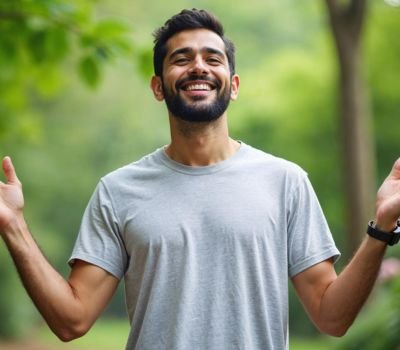
Activities focused on improving physical health, fitness, nutrition awareness, and energy levels.
Mindfulness, stress management, and emotional balance techniques to support mental health.
Developing healthy routines that promote discipline, consistency, and responsibility.
Practical training in communication, decision-making, problem-solving, and goal setting.